Drainage-method decision · Last checked July 21, 2026
Dehumidifier Pump vs Gravity Drain vs Bucket: Which Setup Fails Least?
Three exact drainage setups, the room and drain questions that decide them, and why a dehumidifier does not fix water intrusion or mold.
Affiliate disclosure: If you buy through our retail links, we may earn a commission at no added cost to you.
Use gravity whenever a continuously descending hose can reach a safe drain. Choose a bucket when extraction is modest and emptying is genuinely sustainable. Add an internal pump only when water must move uphill and the convenience outweighs another failure point.
The buyer question
Which drainage method will keep the space dry without adding avoidable monitoring, hose or pump failure risk?
Drainage determines whether a dehumidifier runs continuously or stops beside a full bucket. It deserves the same attention as pint rating.
The simplest reliable setup is usually gravity, but only when the hose slopes downward for its entire run. A pump solves elevation, not bad hose routing or water intrusion.
How to decide
The evidence the category has to earn.
Map the drain height
If the drain is lower than the outlet, gravity removes a pump and its filter from the system.
Choose the pint class for moisture load
A small unit can have a large bucket and still remove moisture too slowly in a wet basement.
Plan overflow consequences
Use a drain location where a disconnected hose or failed pump does not create a second water problem.
Verify current efficiency
ENERGY STAR Version 6.0 applies to newly manufactured certified dehumidifiers under the current criteria.
Read the source ↗The research shortlist
3 candidates, each with a reason to add—or pass.
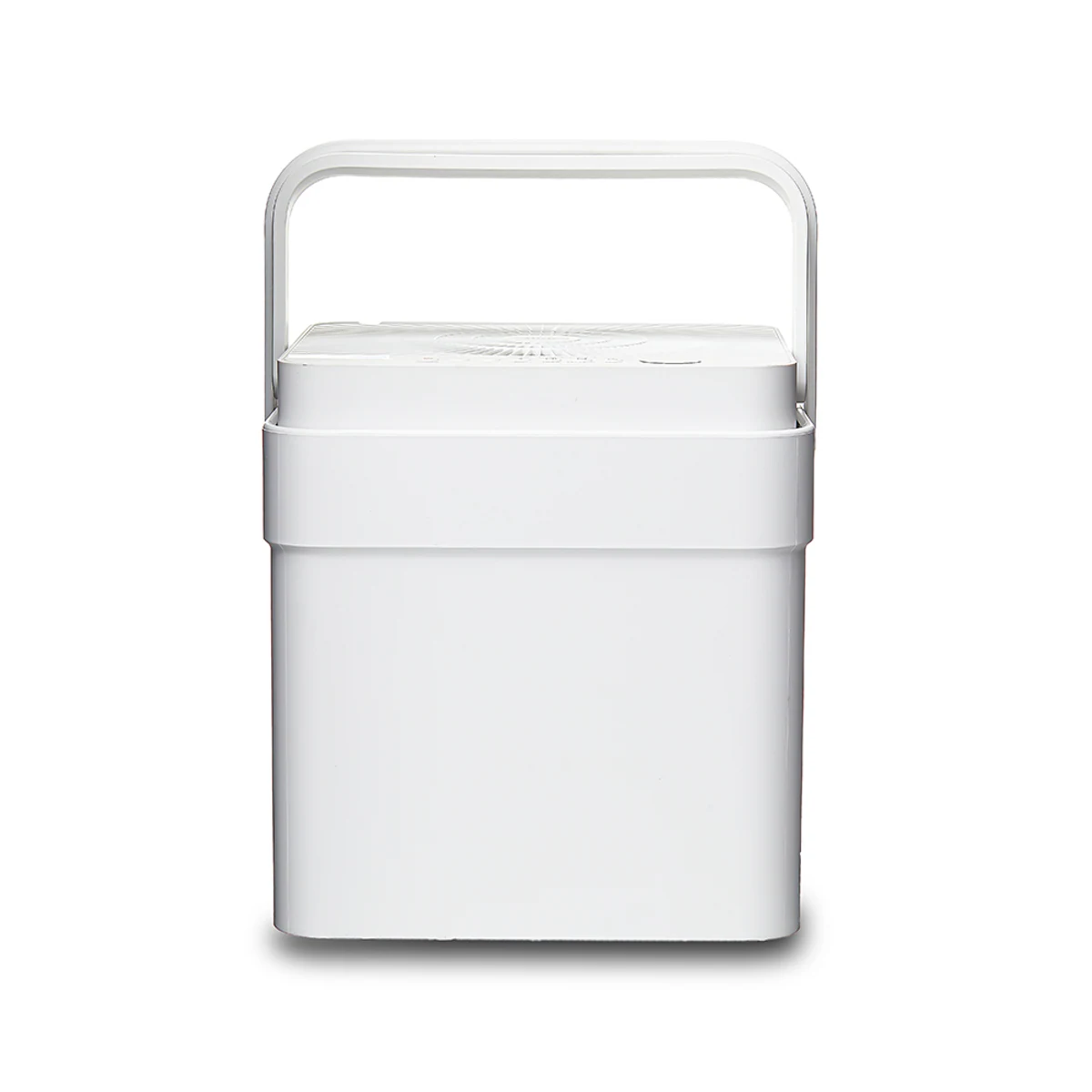
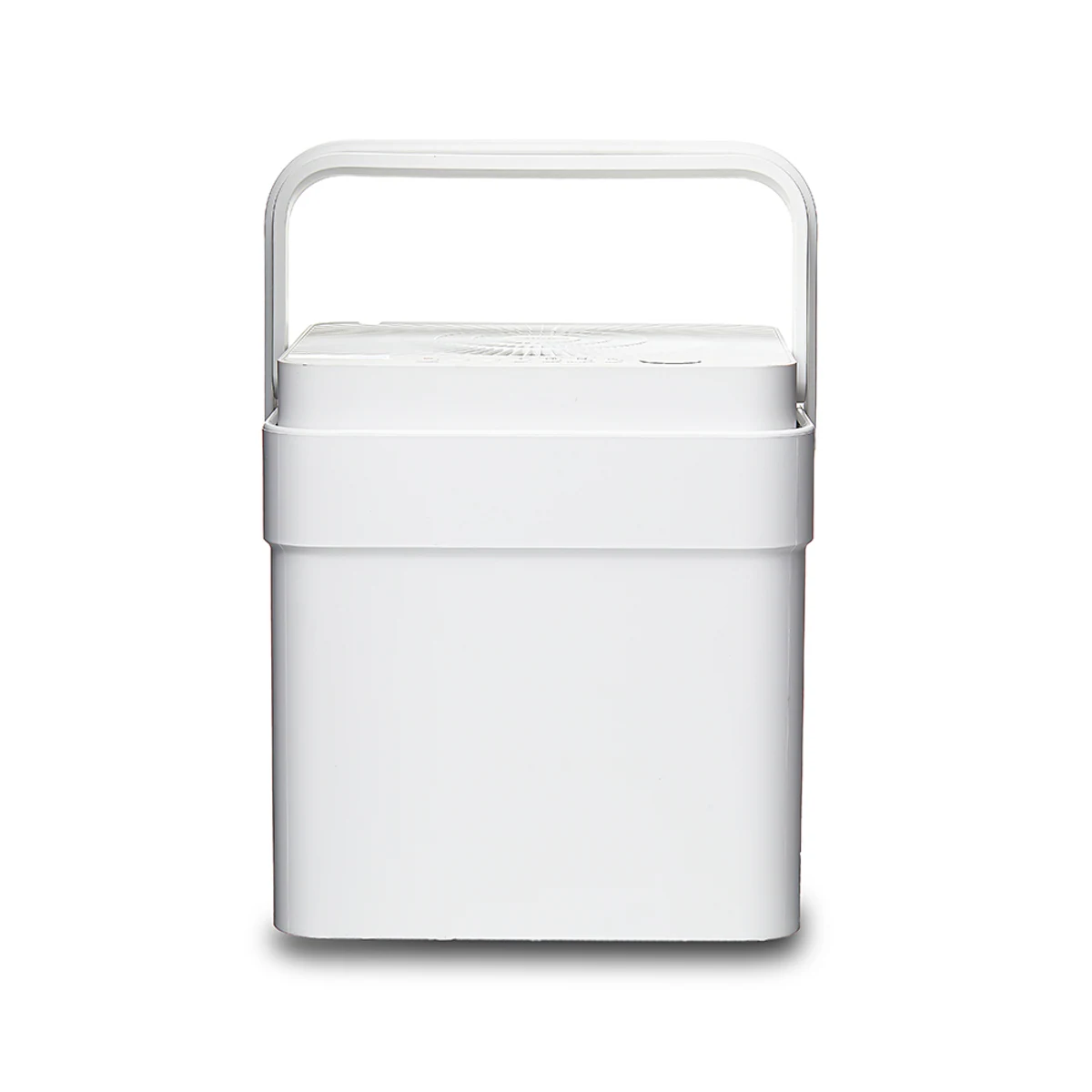
Midea Cube 20 Pint
MAD20S1QWTA compact cube with a configurable large bucket and gravity-drain option, but no built-in pump.
Add this if
- The moisture load fits a 20-pint/day class.
- You can empty a manageable fill level or provide a lower drain.
Pass if
- The basement is persistently wet or large.
- Water must travel upward.
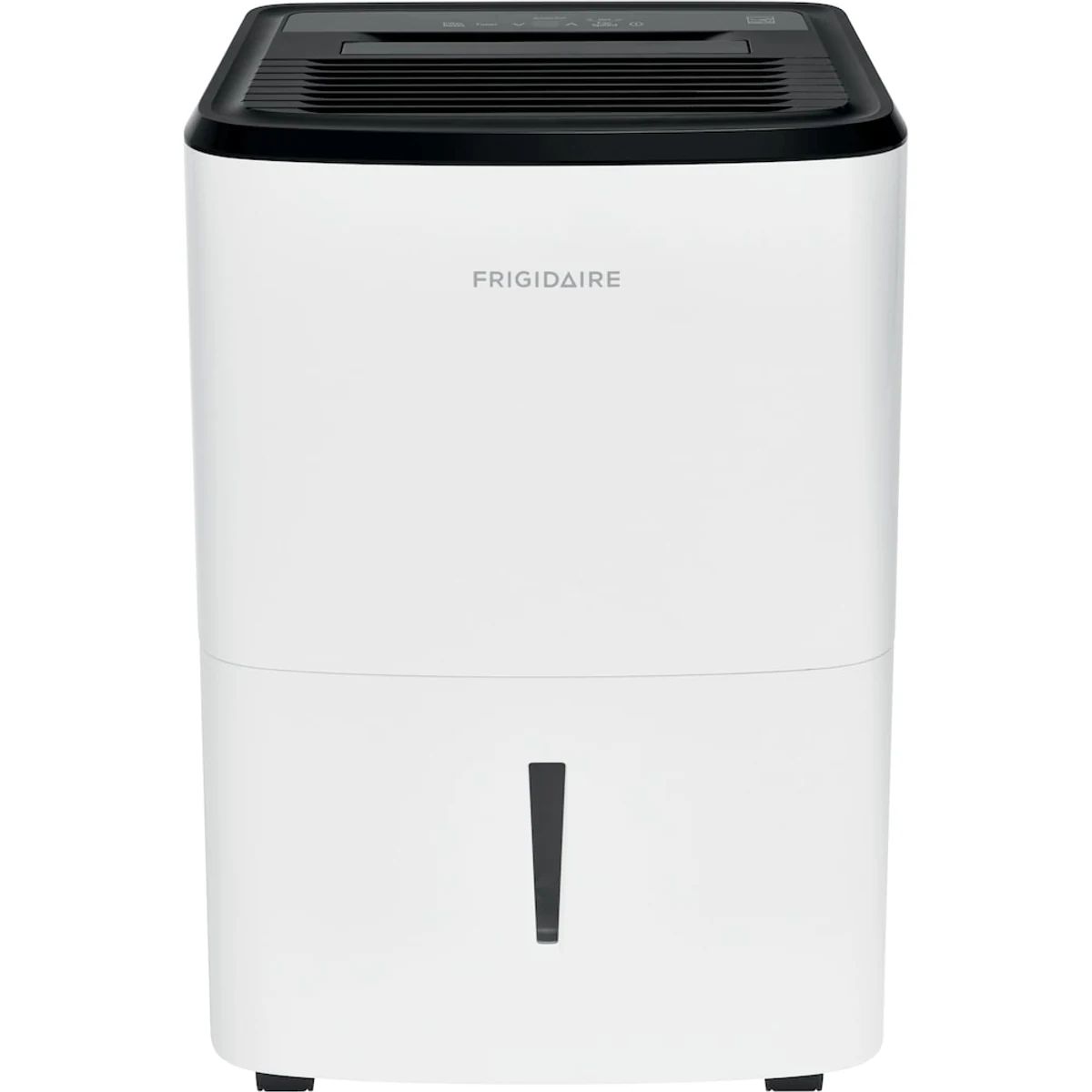
Frigidaire 50 Pint
FFAD5033W1A conventional large-room form with bucket or passive continuous drain and fewer proprietary cube-mode steps.
Add this if
- A floor drain is below the outlet.
- You want a straightforward conventional cabinet.
Pass if
- The drain is above the unit.
- The exact current certification and offer cannot be verified.
Midea Cube 50 Pint with Pump
MAD50PS1QWTA higher-capacity cube whose internal pump can send condensate to a sink or window above the unit.
Add this if
- The only safe drain is above the outlet.
- You will inspect the pump hose and filter.
Pass if
- A continuous downhill hose is available.
- A replaceable external condensate pump would be easier to service.
Ownership friction
The details that survive checkout.
Gravity hoses cannot climb
Midea says the hose should never rise above the drain connection; the recommended end point is lower.
A pump needs inspection
Pump-equipped models add a small hose, filter and control mode. Test discharge before leaving the system unattended.
Wash the filter and clean the bucket
Airflow loss and standing-water residue reduce performance regardless of drainage method.
Moisture control is not remediation
A dehumidifier can manage airborne moisture. It does not repair leaks, remove wet materials or establish that mold has been safely remediated.
How this guide was made
Source-checked, not fake-tested.
Add or Pass compared exact product identities, official specifications, public guidance and relevant independent measurements. We did not hands-on test these products and do not publish star ratings.