Home-resilience decision · Last checked July 22, 2026
Whole-Home Smart Water Monitors: Main-Line Shutoff or Point Sensors?
Three exact in-line shutoff models, the pipe and power checks to make before checkout, and the leaks these systems still cannot see.
Affiliate disclosure: If you buy through our retail links, we may earn a commission at no added cost to you.
Add a main-line shutoff when supply-line leaks are the expensive risk and a plumber confirms fit. Moen 900-006 is the one-inch reference; Phyn is the explicit fittings-and-learning alternative; Kohler is the ecosystem candidate. Add point sensors too for water heaters, sinks and non-supply risks. Pass on an in-line system when installation constraints or unreliable connectivity would leave it unmanaged.
The buyer question
Do you need plumber-installed main-line protection, lower-cost point sensors, or both—and will the selected valve actually fit the pipe, power and network location?
EPA distinguishes in-line point-of-entry monitors from point sensors. In-line devices can observe whole-home supply flow and may close a valve, while point sensors watch a specific location and can catch risks the main line does not explain.
Neither approach sees every leak. Roof intrusion, drain leaks and HVAC condensate may occur without unusual supply-water flow, so a whole-home valve is one layer rather than a universal water-damage shield.
How to decide
The evidence the category has to earn.
Start with pipe geometry
Confirm nominal pipe size, material, straight-run space, fittings, unions, orientation and access to an upstream manual shutoff before selecting a brand.
Map power and network
An outlet and stable Wi-Fi must reach the installation location. A strong app cannot rescue a basement dead zone.
Separate monitoring from coverage
Main-line flow monitoring targets pressurized supply leaks. Add point sensors where drains, appliances, roofs or condensate can create water without an abnormal main-line signature.
Read the source ↗Plan false-positive handling
Irrigation, guests, filling tubs and unusual appliance cycles can resemble leaks. Learn the alert and override workflow before enabling aggressive automatic shutoff.
The research shortlist
3 candidates, each with a reason to add—or pass.
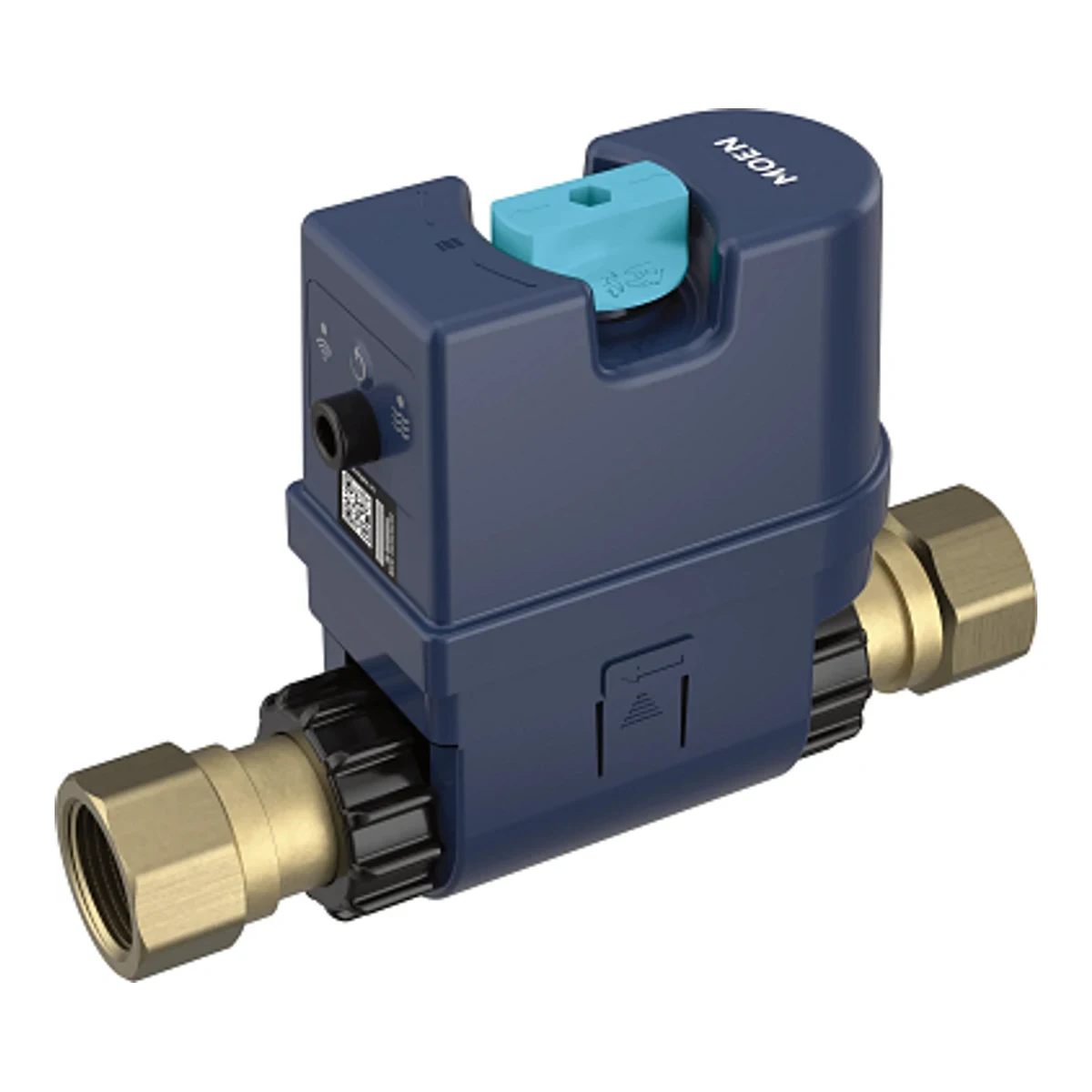
Moen Flo Smart Water Monitor and Shutoff
900-006Moen's one-inch in-line model combines app monitoring and automatic shutoff, with published outlet and 2.4-GHz Wi-Fi requirements.
Add this if
- A plumber confirms the one-inch model and installation location fit.
- The outlet, Wi-Fi and upstream manual shutoff are already planned.
Pass if
- The fire-sprinkler or pipe layout conflicts with Moen's instructions.
- You expect it to detect roof, drain or condensate leaks by itself.
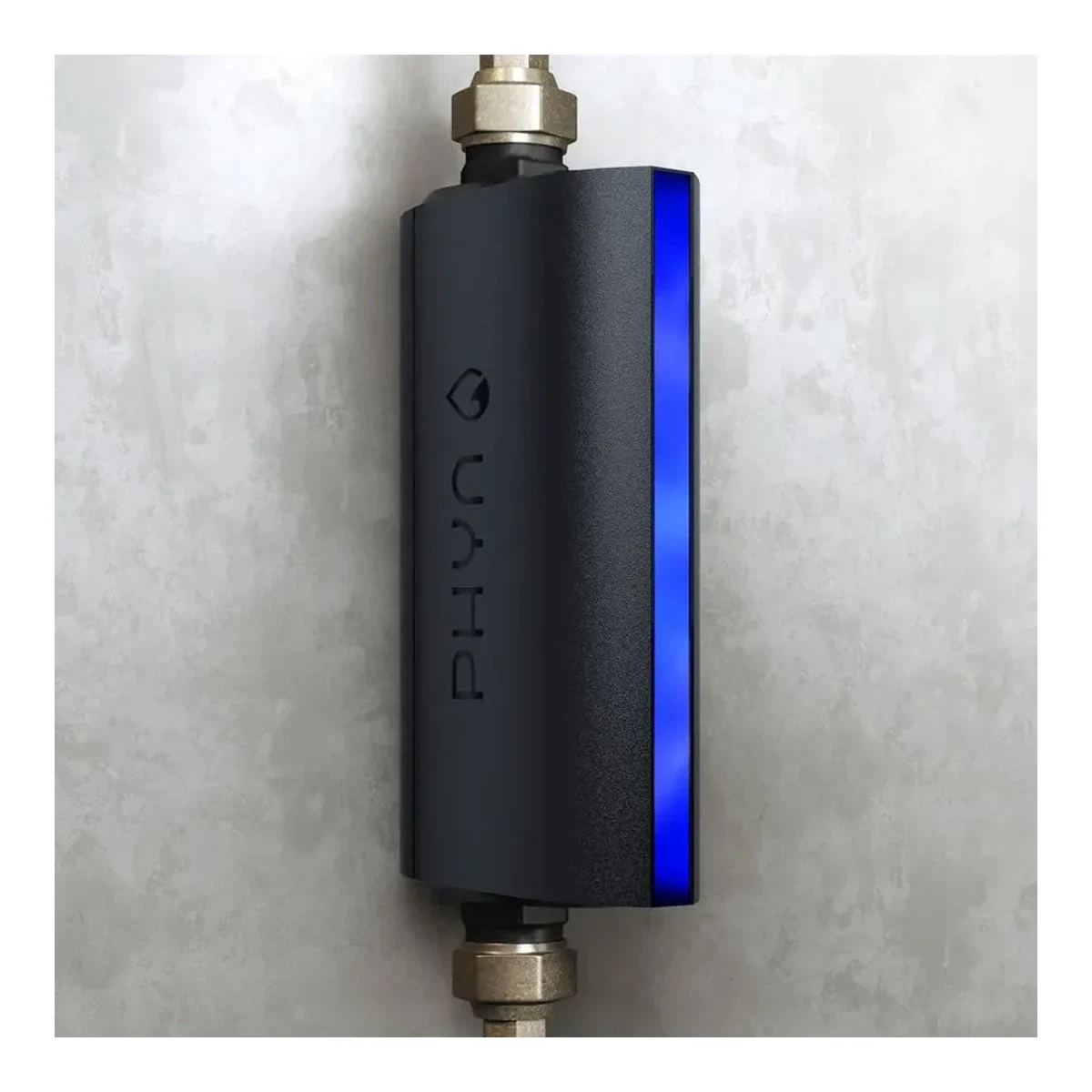
Phyn Plus 2nd Gen
PHYPF007Phyn states one-inch threaded ends, support for supply pipe up to 1.25 inches, a nearby outlet and separately sourced adapters or unions.
Add this if
- Your installer accepts its fittings, orientation and 12-foot power reach.
- You will allow the system's learning period and test manual shutoff access.
Pass if
- Missing adapters or unions turn the install into an unpriced project.
- The power-loss behavior does not fit your emergency plan.
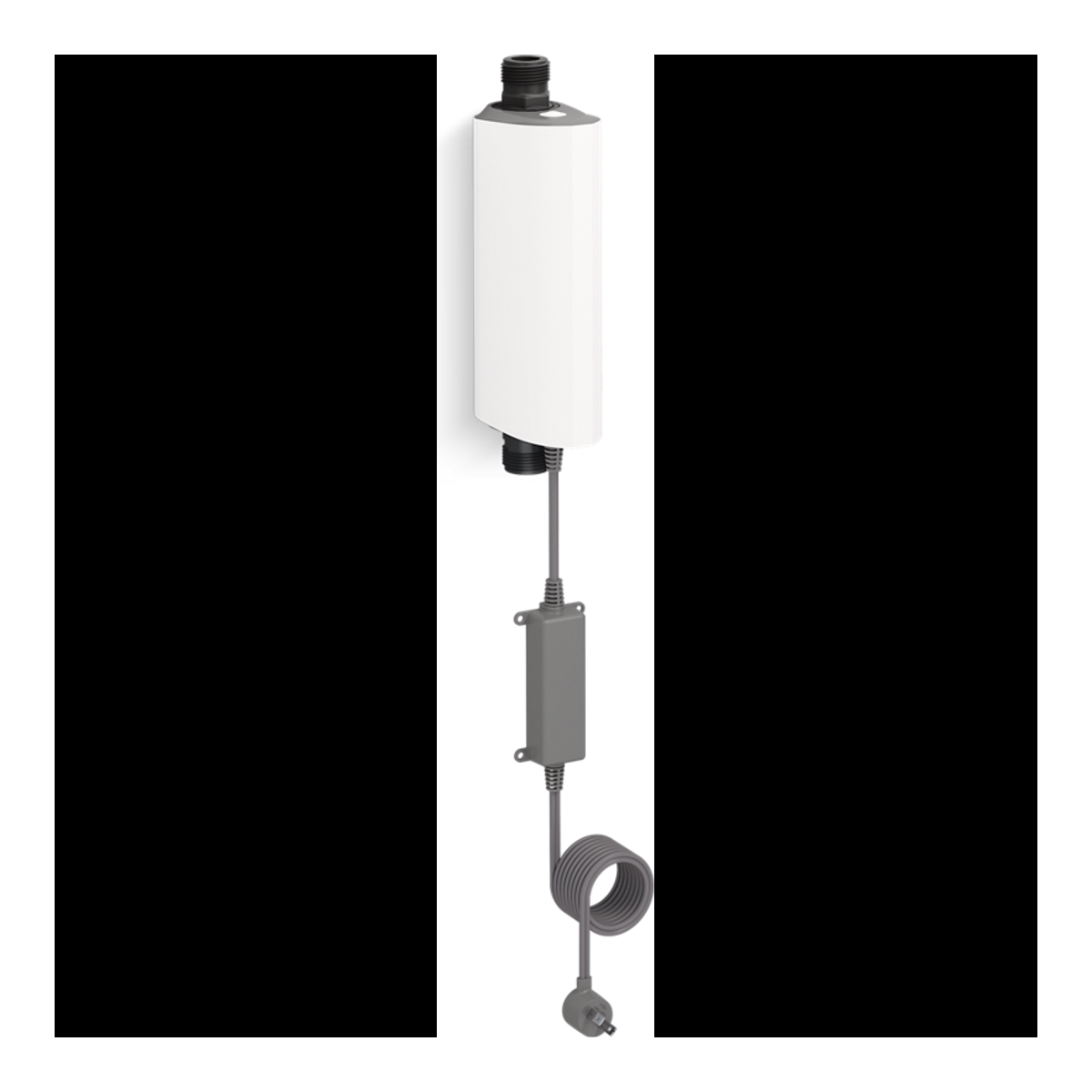
Kohler H2Wise+
K-33604-NAKohler's in-line monitor and automatic shutoff is a credible exact-model alternative, held until the installer prices its complete site-specific fitting and service path.
Add this if
- Kohler integration matters and the exact installation quote is complete.
- The in-stock K-33604-NA offer and local support path remain current.
Pass if
- You are choosing from brand familiarity without a pipe-and-power survey.
- A simpler point-sensor layer addresses the actual risk locations.
Ownership friction
The details that survive checkout.
The plumber quote is part of the product cost
Valves, adapters, unions, electrical work, access panels and Wi-Fi extension can exceed the difference between device prices.
Test the emergency path
Everyone in the home should know the app, physical valve and upstream manual shutoff procedure before a real leak.
Point sensors remain useful
Place them where water can appear without a meaningful main-line signature and where an early local alarm changes the response.
Do not install around fire protection or potable-water rules by guesswork
Use a qualified installer and the exact manufacturer's instructions. EPA describes device categories but does not endorse these models or guarantee damage prevention.
EPA WaterSense leak and flow guide ↗How this guide was made
Source-checked, not fake-tested.
Add or Pass compared exact product identities, official specifications, public guidance and relevant independent measurements. We did not hands-on test these products and do not publish star ratings.